
Moving house in London can feel overwhelming. From traffic delays to high costs and tight schedules, it’s not just about packing boxes. But with the right plan, house moving becomes much easier.
This house moving London guide will walk you through everything — from checklists and packing to choosing movers and settling into your new home. Whether you’re moving a flat, an apartment, or a large house, this house moving London guide will save you stress, time, and money.
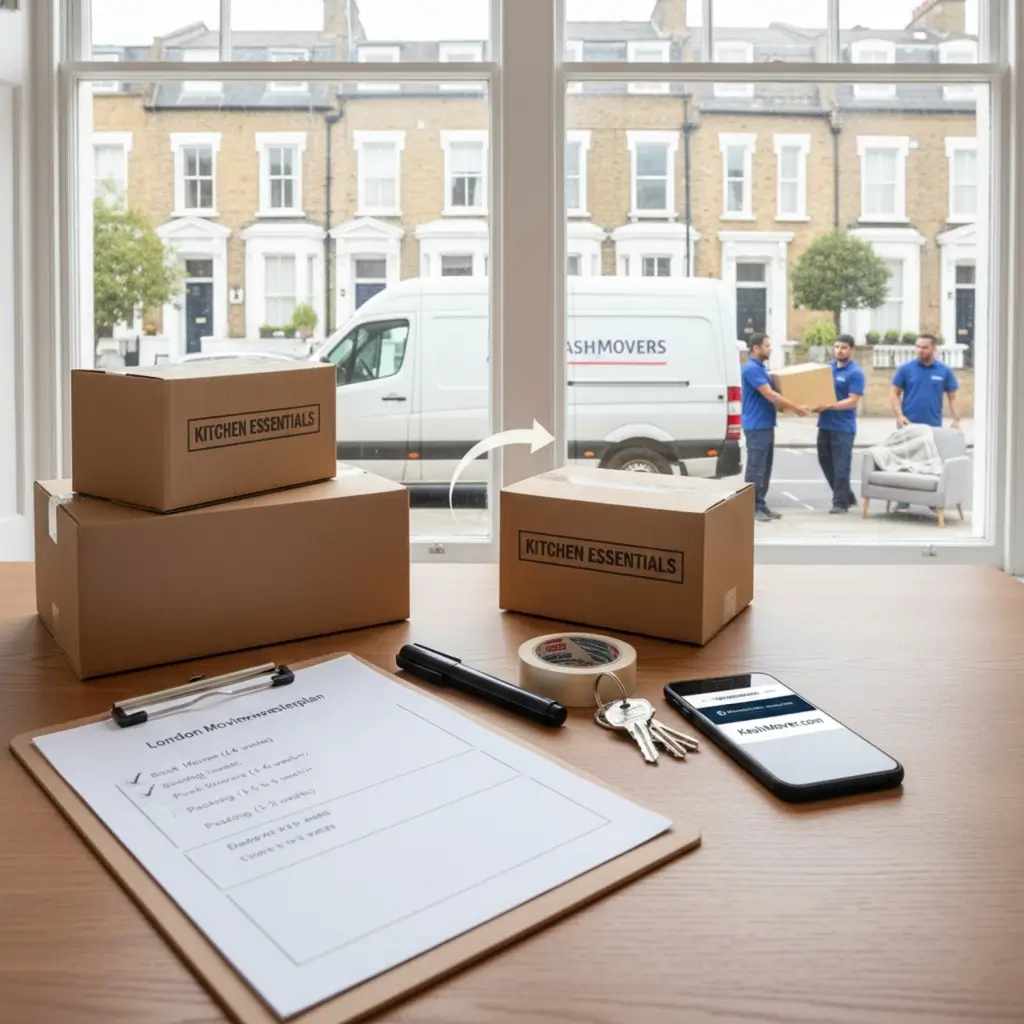
Why Planning is Key for House Moving in London
A successful move always starts with planning. London has unique challenges — narrow streets, parking restrictions, and busy schedules. Without preparation, moving day can quickly turn stressful.
Key things to consider before moving:
- Parking Permits: Some London boroughs require a permit for moving vans.
- Packing Supplies: Boxes, bubble wrap, and tape should be ready at least two weeks before.
- Choosing Movers: Decide early whether you need a man with a van or a full moving team.
For families moving within London, services like Home Movers and Domestic Movers are designed to make transitions smooth. Following a house moving London guide ensures you don’t overlook key steps.
Step 1 – Create a Moving Checklist
Without a checklist, important tasks often get missed. A list helps you stay organized and reduces last-minute stress. That’s why any reliable house moving London guide starts with a plan.
Here’s a simple London moving checklist:
| Task | When to Do It |
|---|---|
| Book movers or van service | 4–6 weeks before |
| Notify utility providers | 3 weeks before |
| Change address with bank, GP, HMRC | 2 weeks before |
| Declutter unwanted items | 2 weeks before |
| Start packing non-essentials | 1–2 weeks before |
| Pack essentials bag | 1–2 days before |
By following a checklist, you’ll avoid common mistakes and keep everything under control.
Step 2 – Packing Smart for London Moves
Packing is more than just putting things in boxes. Done right, it saves time, protects your belongings, and makes unpacking simple. That’s why a house moving London guide always emphasizes smart packing.
Packing tips:
- Use sturdy, double-walled boxes.
- Label each box with the room it belongs to.
- Pack fragile items with bubble wrap or towels.
- Don’t overpack boxes — keep them easy to lift.
For eco-friendly packing, reuse old boxes or rent reusable you’re leaving a rented home, consider professional House Cleaning services to ensure you get your deposit back.
Step 3 – Choosing the Right Movers in London
This is one of the most important steps in our house moving London guide. The right moving service can save you stress and money.
You generally have two options:
1. Man with a Van
Best for:
- Small moves (studio or one-bedroom flat)
- Moving a few boxes or furniture items
- Same-day or short-notice moves
Advantages: Affordable, flexible, quick.
2. Full Moving Company
Best for:
- Family homes or large apartments
- Moves requiring packing, loading, and unloading help
- Fragile or heavy items like pianos
Advantages: Comprehensive service, less physical stress.
👉 Compare both options before booking. For small moves, check Man with a Van. For budget-friendly solutions, explore Affordable Moving in London.
Step 4 – Moving Day Tips
The big day has arrived. Keep things simple and stress-free with these tips:
- Secure Parking: Make sure your van or movers have space to park.
- Protect Floors & Walls: Prevent damage in both old and new homes.
- Load Strategically: Heavy items go first, lighter ones last.
- Keep Essentials Handy: Pack an overnight bag with toiletries, chargers, snacks, and medicines.
👉 If you’re moving from a flat or high-rise, professional Apartment Movers know how to handle stairs, lifts, and access issues.
Step 5 – Settling into Your New Home
Unpacking can feel endless, but with the right approach, you’ll settle in quickly. A proper house moving London guide makes this process easier.
- Start with the bedroom and kitchen — two essentials for comfort.
- Assemble furniture before unpacking small items.
- Update your new address with local services.
- Register with a new GP and council if you’ve changed boroughs.
👉 Need expert support? Best Movers in London services can make moving easier.
Common Mistakes to Avoid During House Moving in London
Many people make the same errors when moving. Avoid these:
- Packing at the last minute. This creates stress and damages items.
- Hiring movers without checking reviews. Always look for trusted providers.
- Forgetting moving insurance. It protects your belongings during transit.
- Ignoring parking rules. You could face fines if your van blocks the street.
Cost of House Moving in London
London moving costs vary depending on load size, distance, and services required. On average:
- Man with a Van: £50–£90 per hour.
- Full Moving Company: £400–£1,000+ for a 2–3 bedroom house.
- Packing Services: £100–£250 extra.
Factors that affect price:
- Distance between properties.
- Number of movers needed.
- Special items (piano, antiques, large furniture).
- Moving day (weekdays are often cheaper).
👉 For detailed breakdowns, see How Much Does a Man with a Van Cost in London. A proper house moving London guide always includes cost considerations so you can budget effectively.
Conclusion
Moving house in London doesn’t have to be stressful. With the right preparation, checklist, and movers, you can enjoy a smooth transition into your new home.
This house moving London guide gives you everything you need — from planning and packing to costs and settling in.
Ready to move stress-free? Contact Kash Movers today and let our experts handle the heavy lifting for you.
FAQs
On average, a man with a van costs £50–£90 per hour, while full moving companies charge £400–£1,000+, depending on home size.
Hire a man with a van for small moves; choose a full company for larger homes or when you need packing and loading help.
Ideally, 4–6 weeks before your moving date, especially during busy summer months
Some do, but it’s always best to confirm. Many offer boxes, tape, and bubble wrap at an extra cost.
Midweek days (Tuesday–Thursday) are often cheaper and less busy compared to weekends.